
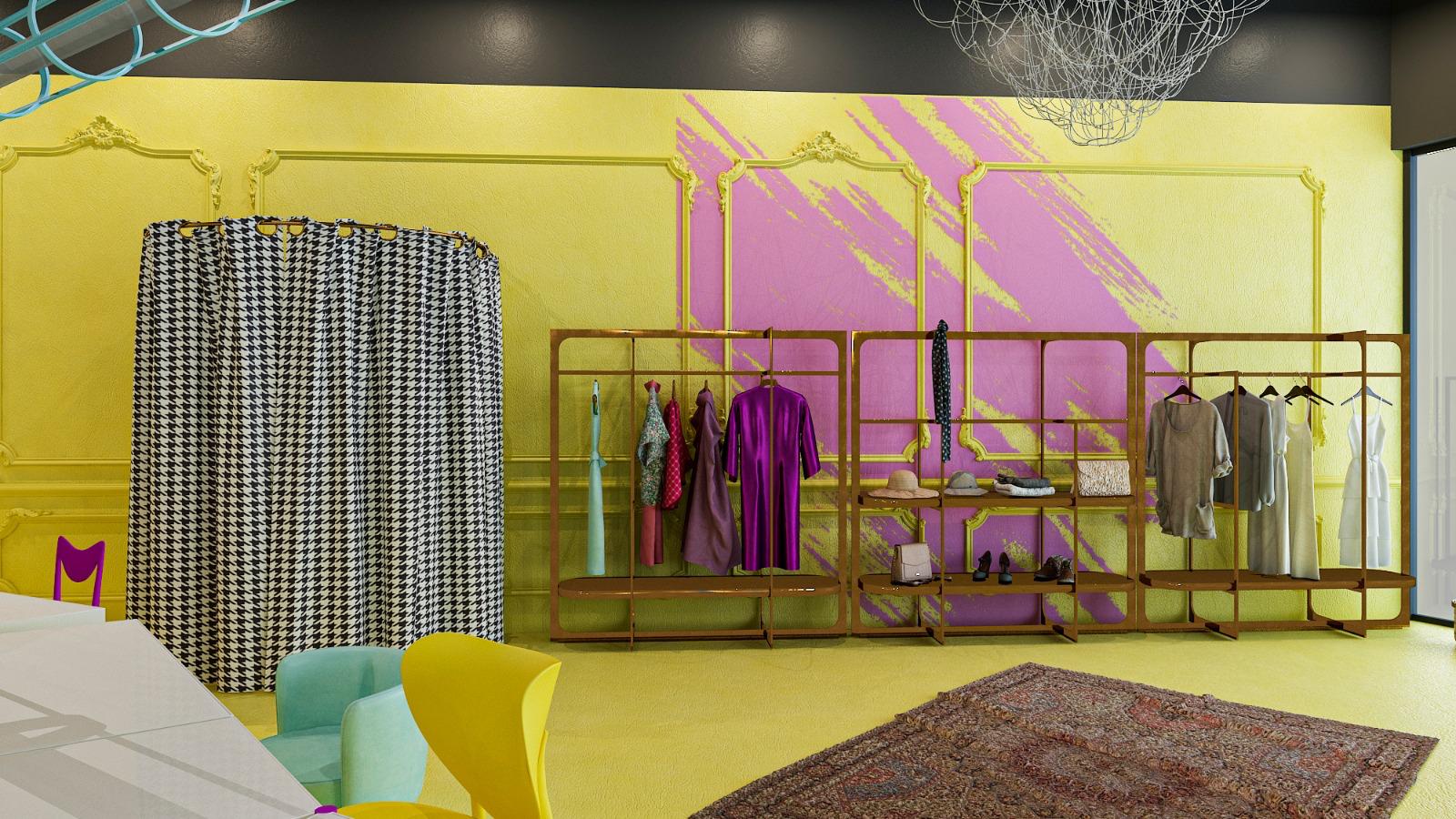
In residential interior architecture, lighting is not only a technical requirement but a behavioral design tool. The same living room may host focused work in the morning, social use in the evening and relaxation at night.
That is why one-dimensional lighting plans often fail. A strong scenario combines ambient, task and accent layers so users can shift quickly between routines without visual fatigue or functional compromise.
Color temperature planning adds another level of quality. Cooler neutral tones support alertness during productive hours, while warmer tones help the body transition into rest mode later in the day.
Natural daylight should be treated as part of the system. Window orientation, sheer textures, reflection control and artificial light balance together improve comfort and reduce over-lighting.
Material and lighting decisions must also align. Matte finishes diffuse light softly, reflective surfaces need stricter glare control, and feature elements require targeted illumination to avoid visual clutter.
P.Sign develops lighting scenarios around real user behavior and spatial context. The result is a home that feels adaptable, comfortable and intentionally designed at every hour.